Community, neighbors, and a sense of belonging

Photo of a traditionally dressed Bedouin woman sitting in an Arabic style home with Sadu weavings hung on walls around her. Photo c/o Kuwait News Agency (KUNA)

A feeling of community is an important connection I have in Kuwait. When I first moved here, in October 1984, I lived with my mother-in-law in one of the first suburbs in Kuwait, just outside of the downtown business area. Several of the neighboring houses were the Arabic style with a courtyard in the center and had rooms all around the outer edge. These houses were built from a mixture of sand, seashells and water, so during a severe rainstorm, parts of the house had to be rebuilt. The houses were one floor and the roof was used in the summer heat to sleep. The fascinating part of the house was the seating. Arabic style seating was a set of cushions that were placed on the floor at the perimeter of the living room. This arrangement was also used when families got together to eat. The food was served on platters on a large, round aluminum tray and everyone would serve him/herself. It was truly family style!

I mentioned above that Shamiya, where I lived for the first five years in Kuwait, was just outside the city limits. This neighborhood was established by a decision of Kuwait’s government in the late 1950s to reclaim the downtown area for businesses and compensate families who lived inside the security wall (soor) during the early days of Kuwait. Families were moved from their original neighborhoods in Sharq and Qibla to Shamiya, Adeliya, and other nearby neighborhoods. An interesting fact is when Kuwaitis meet each other for the first time, they often discuss where they lived originally since many of them were close neighbors. This relationship continues to give them a sense of belonging and familiarity. Grandparents and parents knew each other and played together on the street outside their homes and didn’t mind being disciplined by someone else’s parent if they were naughty.

An aerial shot of old Kuwait from the Kuwait Digest published in 2001 by the Kuwait oil Company from their archives.

Kuwaitis tend to live in a house for generations and it is rare that a family moves unless they need more room as the children grow up and marry, or if several siblings live in the same house and decide to sell it after their parents die. Houses are built from concrete and steel beams like buildings in Europe and North America. They are built to last. They are also still built very close to each other, as in the past where you could jump from roof to roof.

Kuwait City with a view of the Kuwait Towers along the Gulf Road and showing the Arabian Gulf.
Photo courtesy of Int’l Investment

When I moved to Yarmouk in 1990 (a newer neighborhood about 15 minutes from downtown), I made an effort to meet all of my neighbors, even those who built houses after we did. The result is I have a much closer relationship with them. In fact, there is a tradition during Ramadan (the fasting month) where families send food to each other during the month. We receive many delicious meals this way and send some back! Some evenings are a veritable buffet at our house!

Kuwaiti neighborhoods have expanded as children decide to live in their own home instead of with their parents, as in the past. This expansion has led to new neighborhoods in areas that were desert sand and far from the Kuwait City, Ahmadi, and Jahra (the three “largest” cities/towns in Kuwait). The government has built new roads and extended highways, installed telephone lines and electricity to ensure all infrastructure is available when people move in. The majority of foreign workers live in apartment buildings in the urban areas. They also rent floors in homes.
Since home and neighborhood are so important to feeling you belong in a place, I am happy to have learned about the history of Kuwait’s neighborhoods as well as experiencing the community of neighbors. Neighbors care about neighbors and we watch out for each other.

Young boys playing a traditional game in the past. Photo via kuwaitiah.com

When my husband described the socializing in Kuwait before I arrived and got married, he explained that family gatherings and visits to relatives and friends were the most important activities. This has changed quite a bit in the past 35 years as malls, restaurants, and movie theaters were built and became part of the local social scene. Previously, there were particular traditions of gathering in each neighborhood including the local mosque and diwaniyas which are, according to Wikipedia: “The dewaniya or diwaniya was the reception area where a Middle Eastern man received his business colleagues and male guests. Today the term refers both to a reception hall and the gathering held in it, and visiting or hosting a dewaniya is an important feature of a Gulf Arab man’s social life.” Men meet weekly to discuss business, politics, and other topics while drinking tea and Arabic coffee. There are also card games played and younger men play PlayStation or other online games. These traditions continue alongside other activities such as lunch or dinner in a restaurant, and perhaps catching a movie afterwards. The importance of family and friends in Kuwaiti culture is very important and underlines how important it is to feel you belong.

Women also have their gatherings such as early afternoon tea or evening receptions in honor of a bride or new baby. Discussions of important local issues and supporting each other is common in these gatherings. Some may see this gender separation as old-fashioned, but there is plenty of time spent in mixed groups with both genders, especially at family gatherings. The importance of community creates a sense of belonging and connectedness. It’s a wonderful way to live and be happy.
Gone but not forgotten

This week’s post is a celebration of lives lived well and memories of those who came before me. Two significant people in my life who had a lasting impact on my family and me were my mother-in-law and my father.

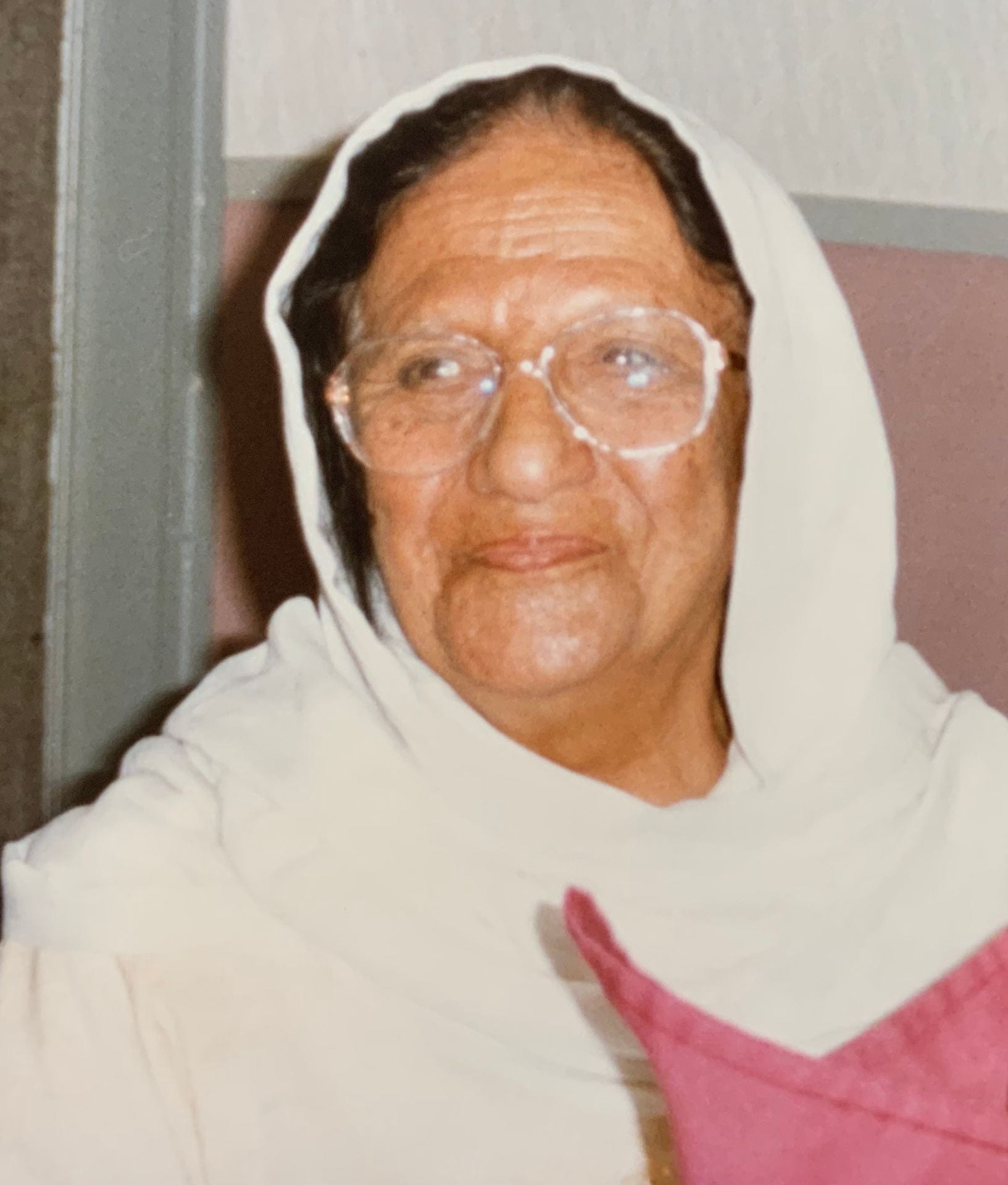
Photo from 1997 of my mother-in-law, Lateefah Al Ajeel

Last week, January 16th to be exact, was the 14th anniversary of my mother-in-law’s death. It seems like only yesterday I was taking my children to her house for Thursday lunch (our family gathering). My mother-in-law adopted me as soon as I stepped into her house. She became my Kuwaiti mother, and I became her American daughter who worked hard to learn all I could about the culture and language to ensure we would be forever bonded together. She didn’t replace my biological mother but was a mentor to me the same way my mother was when I was growing up. Let me share some stories of how our lives intertwined over the 22 years I was blessed to have her in my life.

I spent many hours with my mother-in-law since my husband, and I lived with her before we moved into our own house in 1990. We watched television shows and movies and chatted while she showed me how to prepare stuffed grape leaves and samosas. She encouraged me to join her when she visited friends and relatives or participated in rituals such as funerals. The men’s and women’s condolences are separate, so we arranged to go together if there was a death in the family or of someone close to her. Appreciation by members of the grieving family for this simple gesture is remembered years later. Weddings are another way the family gathers together. Up until she became more frail, I attended weddings with her and met many wonderful people in the Kuwaiti community through her introductions as we moved around and greeted people. My mother-in-law was orphaned at an early age and had no siblings, but her cousin’s family raised her, and she was always treated like their daughter, so her extended family is quite large.

Besides the family events, my mother-in-law also attended a weekly ladies’ get-together. Every Monday morning, several ladies would arrive at her house for tea, snacks, and chit-chat. Since I didn’t work for the first nine years, I made sure to join them every week. I served the tea and Arabic coffee, which was usually done by a daughter, but since my mother-in-law only had sons, I was designated and happily accepted the role. As I became more fluent in Arabic, I joined the discussions, which were quite lively and interesting. We talked about local news, politics, and the health of those who weren’t able to join us that week. I also learned some of the old Kuwaiti words which aren’t spoken anymore. I wasn’t aware of this until my brother-in-law asked me how I understood his wife. I replied that I understood Arabic. He told me, I know that, “but she uses so many old words that I don’t know.” That was the first time I realized how my Monday morning conversations had taught me so much.

After she passed away in 2006, I continued to attend condolences, weddings, and other gatherings of the family. My family has told me many times how appreciative they were for adopting the role of her daughter.

When I arrived in Kuwait in 1984, many of the matriarchs of my husband’s family were still alive, including his great-aunts and older cousins. I was so lucky to be able to communicate with them once I learned Arabic and to be a part of their family activities when I accompanied my mother-in-law. Today, I am still in contact with my extended family, and they remember me for accompanying her on special occasions and being with her during the holidays. When they see me, they are reminded of her.

My father, Douglas L. Winokur, as a young man.

My father died suddenly on November 14, 2009; I remember the 1:00 a.m. phone call from my brother and all that happened in the weeks afterward. I also remember the impact he had on my husband, three children, and me. He was not the kind of person who easily expressed his feelings, but we all knew how much he cared about us. He was a wonderful example of a kind, generous, humorous, giving, and ethical man. I remember how he engaged us all in discussions about life and current events. He once told me, “If you don’t have time to read the newspaper every day, at least read the Sunday New York Times.”

My dad was trained as a lawyer, but worked for the New York State Department of Labor for over 30 years. During the riots in the late 1960s, he was the Superintendent of the department in Buffalo, NY. I remember how he fought for equal opportunities for POC in employment and training for men, women, and minorities. He was a member of the NAACP and Southern Poverty Law Center beginning in the 1960s. When a mixed-race couple moved into our neighborhood in 1970, he was one of the first people to welcome them. From him, my children and I learned tolerance, patience, empathy, and how to live an ethical life.

After he retired from civil service, my father volunteered as a lawyer for clients who couldn’t afford representation. After a couple of years, he opened a law office in his neighborhood in Hamburg, N.Y., specializing in real estate law, something that had always been an interest of his. He continued to work, even at 88 years old, never able to fully retire because he loved what he did. His valuable advice about finances and how to save for your future has enabled my mother to continue to live on her own and guides my husband, my children, and me as we plan for our own futures.

I am grateful for all the years I had these two special people in my life. Their legacy continues within me and my family.

Living in a virtual world…

Virtual communication – photo courtesy of https://cyphernightingale.wordpress.com/2017/08/05/internet-history/

As many people are already aware, I retired from full time work last July and have been filling my time with traveling to visit relatives and friends, attending conferences, and supporting refugee teachers. What many of you may not be aware of is how much of my time and life is now spent online in a virtual world. This came to my attention about a week ago when I received a notification on my smart phone that I had spent an average of over four hours daily on my phone. So I began to add in the time I spent reading books on my tablet, writing and researching on my laptop, and I started to think, ‘Oh my gosh! That’s way too much screen time!’ So this past week, I have been trying to be more mindful of the amount of time I am on my devices and reduced it by 30 minutes per day. That didn’t seem like enough of a reduction, so I started taking a closer look at what I do online; that was a real eye opener!

It turns out that being so far away from my family, friends, PLN, and the teachers I am supporting is “forcing” me to live in this virtual world. For example, my nuclear family members live all over the world. In order to keep in touch, we Skype or message each other. Another example is many of my former work colleagues who later became my friends have left Kuwait and moved back home. Also, I spend a lot of time on social media and emailing terrific educators I’ve met at conferences who became part of my PLN (or the other way around) or we keep in touch by Skype or Zoom.

I had a flashback to 1984 when I started remembering what life was like when I moved far away from my family in Buffalo, NY and started a new life in Kuwait. In order to keep in contact with anyone, we communicated by sending “snail mail”. The postal system was unreliable, so sometimes the mail was received in a timely manner, sometimes it took months, and sometimes it never arrived. I recall receiving a Christmas card in February! Sometimes the mail took a detour to another country before arriving in my mailbox. There were also long distance (landline) phone calls that were very expensive. Later, we were able to go around that system with a Magic Jack phone that replaced our number with a U.S. phone number.

In the early 1990s, I bought a Gateway desktop computer for my children and me to use. By the late 1990s, I was able to message my mother on AOL instant messenger (AIM it was called). It was terrific, but we often got tired of writing back and forth to each other even though we appreciated being able to “talk” in real time. Then there was Skype. What a pleasure to be able to see each other and not have to type anymore. My mother and I often mention how lucky we are to have this platform to keep in touch almost daily. In fact, sometimes we have to stop and think when was the last time we saw each other F2F!

AOL Instant Messenger – photo from https://www.silicon.co.uk

My life in Kuwait was supposed to bring me closer to family, or so I thought. My husband’s family, my extended family is very supportive and I visit them now and then. But the regular weekly gatherings we had while my mother-in-law was alive have stopped (no matriarch, no gathering) My Kuwaiti nieces and nephews grew up, graduated from college, started working, got married, had children, raised them, and now their children are going through the same life processes. That means they have busy lives, so they aren’t always available for random visits or going out for tea.

I guess my virtual world started more than 20 years ago, and I am so grateful. My life would be less fulfilled without all of the wonderful people I can stay in touch with regularly because of the internet. But I am still looking for ways to expand my face to face social network in Kuwait, so I have decided to look for a new hobby that will get me out of the house and perhaps help me make some human connections. Since I’m not sure what that is right now, I’m thinking, perhaps living virtually is the way it’s going to be for me. And maybe that’s just the nature of living so far away from everyone else, or maybe it’s just the way the world is today; so global.

Note: I am looking for suggestions for other activities, so feel free to leave them in the comments:)

Working Towards the Common Good and the Benefit of Hindsight (2020)

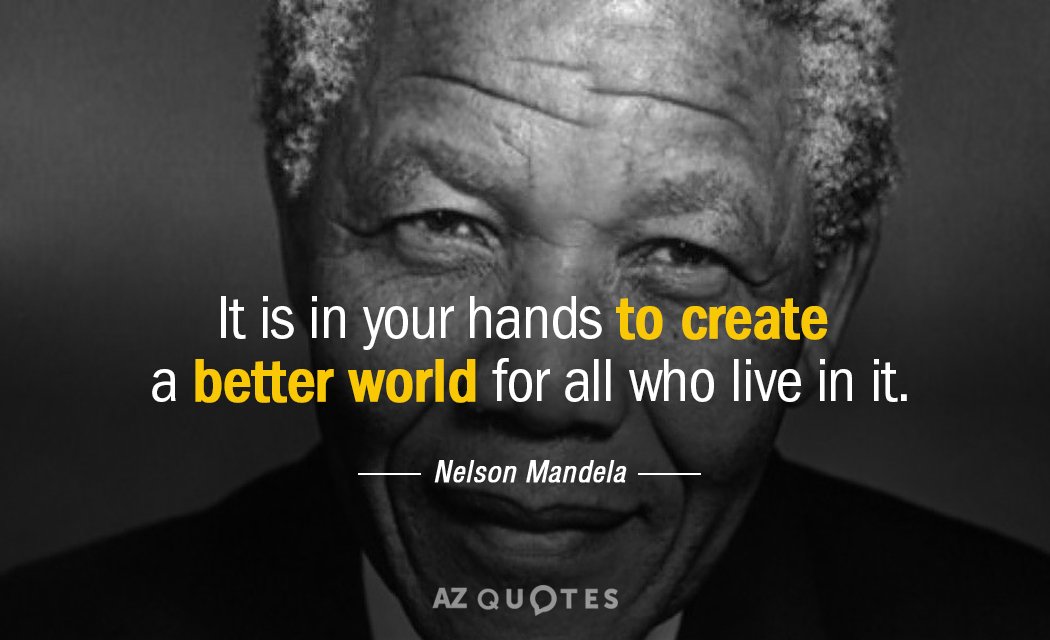
It is in your hands to create a better world for all who live in it. - Nelson Mandela

Recent events are weighing on my mind this first week of the New Year and New Decade. I am finding it hard to turn off my thoughts about the future, OUR collective future. I can’t say that my thoughts are all negative because my #PLN keeps reminding about all the possibilities of a kind, thoughtful, incredibly innovative future. That makes my heart full. But there are negative thoughts…About war, hostile voices crowding the airwaves and social media, economic collapse, global warming causing immense damage, loss of life. It is just scary. I’m just not clear about how to come to terms with it all, and I am wondering how everyone else is feeling.

I am not in the business of discussing politics or religion with anyone outside of those I am close with since these are very personal beliefs that are associated with emotions and can lead to hostile reactions. So today my post will hopefully explain the very complicated situation the world finds itself in and how we, as educators or parents, or human beings need to be more aware and involved in finding solutions to ensure the next generations will still have a world they can call home.

My hindsight includes the first 29 years of my life spent in the U.S. and the next 35 years in Kuwait. I realized when I first moved to Kuwait that the Arab Times, English language newspaper featured stories about the whole world. I always thought I was knowledgeable about geography and world politics, but I discovered there was a whole world out there I knew nothing about. I read about countries in Southeast Asia, the Americas (North and South), the Far East, the Middle East, Europe, Africa….I read about their daily struggles, their politics, conflicts, tragedies (both natural and man-made) and realized how much we all have in common. People are people wherever you go. We have the same needs and similar dreams: we want to have a roof over our head, food on the table, and clothing to keep us dry and warm. We want our children to be safe and feel loved. There are also people who are trying to undermine our ability to be able to have all those things.

I wrote about perspective a few weeks ago. I am bringing it up again because it’s so vital to our future existence. We cannot continue to have people brainwashed into following a specific ideology without questioning it first. We cannot accept a news item is true until we fact check. We must become better digital citizens and more savvy about what we believe. We need to have discussions with others who disagree with us and ask questions, open our minds to listen closely to what they are saying.

When I watch the news, I am fully aware of the origins of the newscast or new article. I can figure out the “biases” the writers and editors have about whatever situation they are describing. That’s because I can see things from a variety of perspectives having lived experiences that opened my eyes to different points of view. In order for people in the world to become better at being inclusive, more equitable, and more understanding of others’ points of view, we must begin to open up our minds to accept that not everyone will agree with us. We must go back to the days when we worked for and worried about achieving the Common Good. We need to focus on what is best for ALL of us on this planet. We need to instill that in our children and students. It should be foremost on our minds every day.

I am so gratified to hear about all the wonderful global and local collaborations that are happening around the world. Sharing is definitely caring and all of this instills kindness, respect, and empathy for others. It is also inclusive, leaving no child or adult to feel left out or marginalized. But I wonder how those of us who are already reaching out can take our drizzle to a full blown downpour. I know there are projects that individually effect change, but I believe this change is happening too slowly. I believe that if we don’t hurry up and catch those who feel hopeless, young adults will continue to be brainwashed into believing that violence and corruption is the only way for them to feel they belong.

So my question is: How can we promote the idea of the Common Good? How can we join together globally to fight corruption, prejudice, feelings of hopelessness, and ensure our planet will be here 50 or 100 years from now? There are pockets of Common Goodness happening all over the world, but it’s not enough. Those of us who believe in the Common Good must look for ways to broaden our reach. The current wave of tragic events in the world is, I believe, moving very fast and it will take every one of us who believes in a better and brighter future without conflict, hunger, displacement, anger to stand up and say, “We will only fight for the Common Good!”

The climate is a common good, belonging to all and meant for all. - Pope Francis